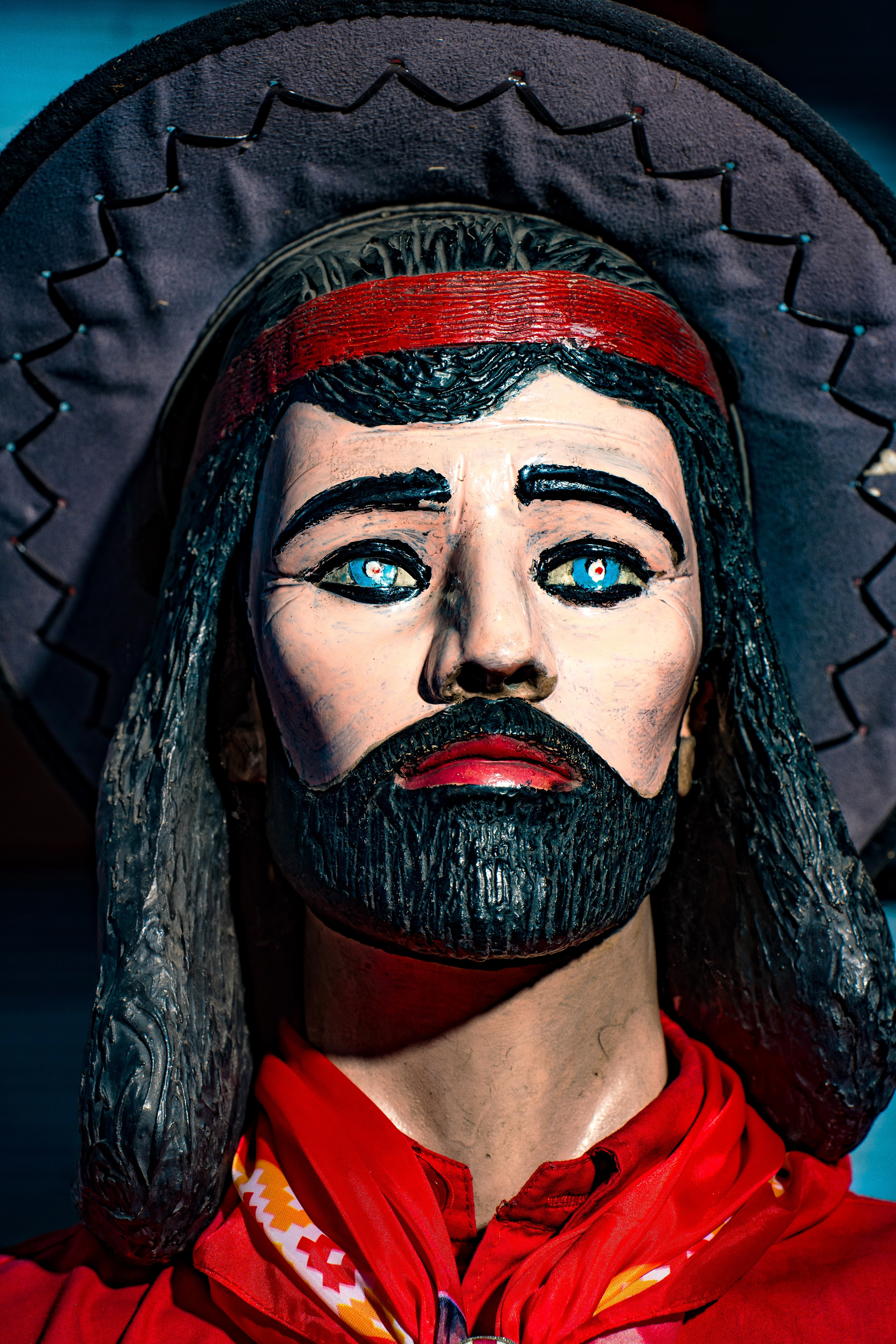
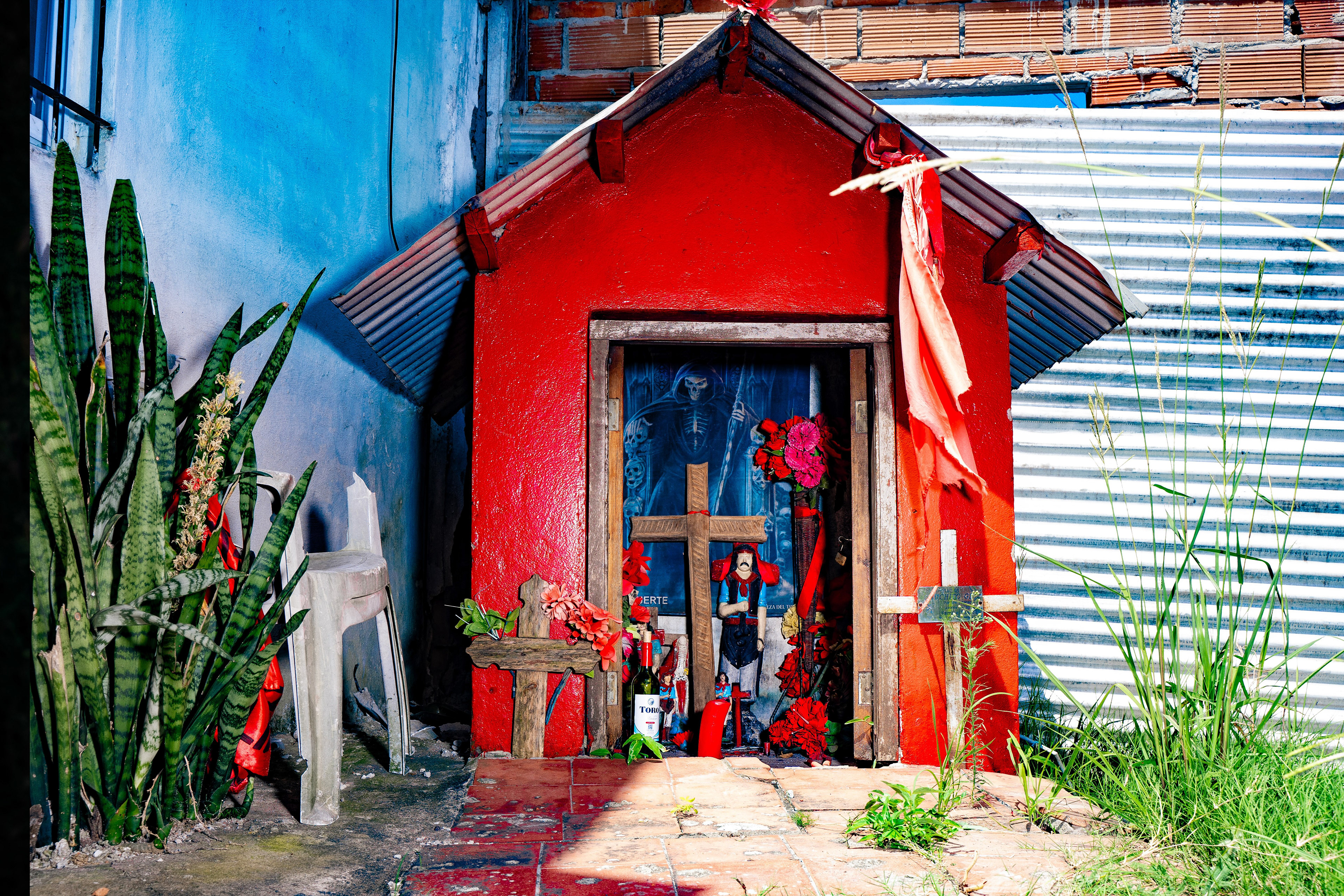
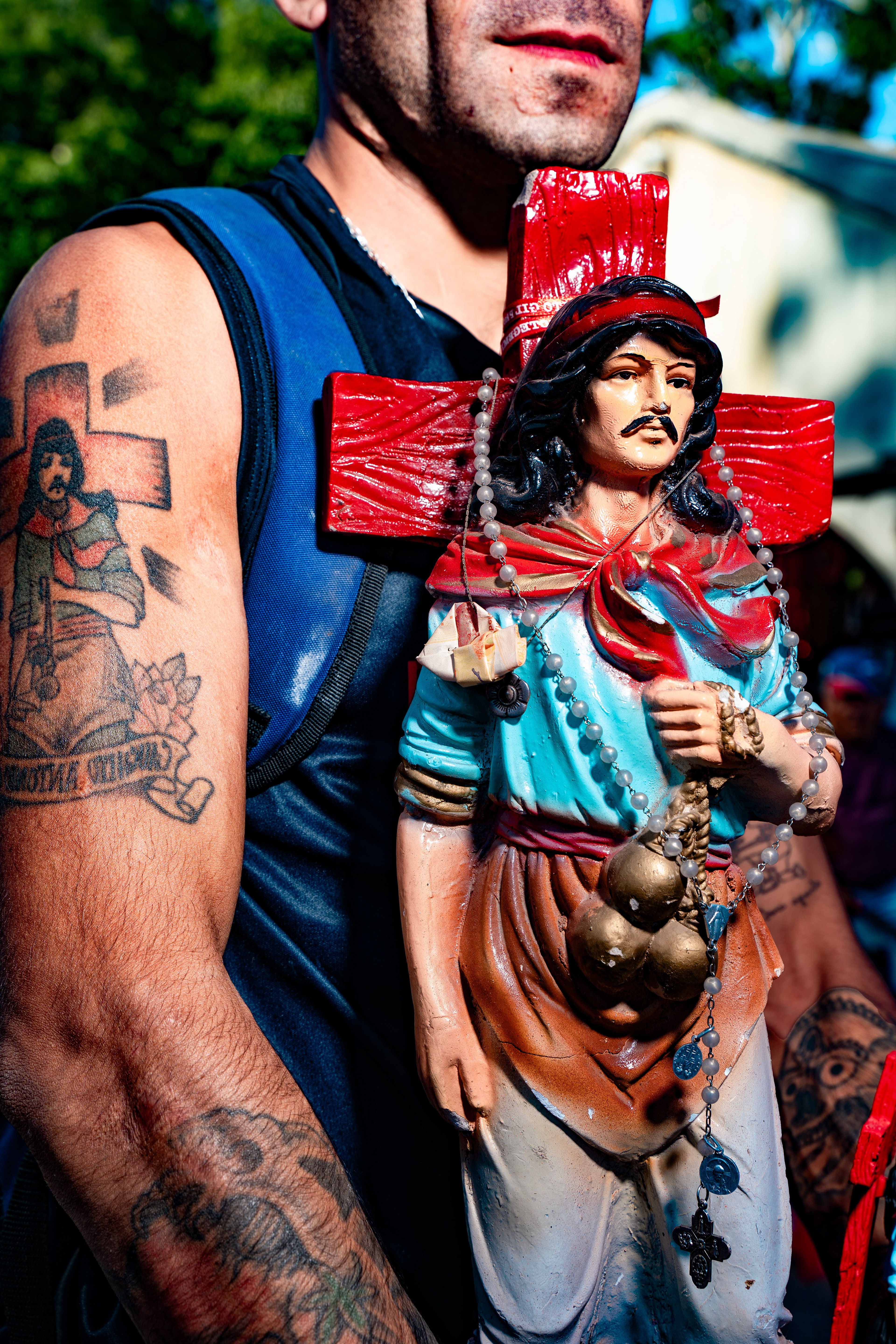
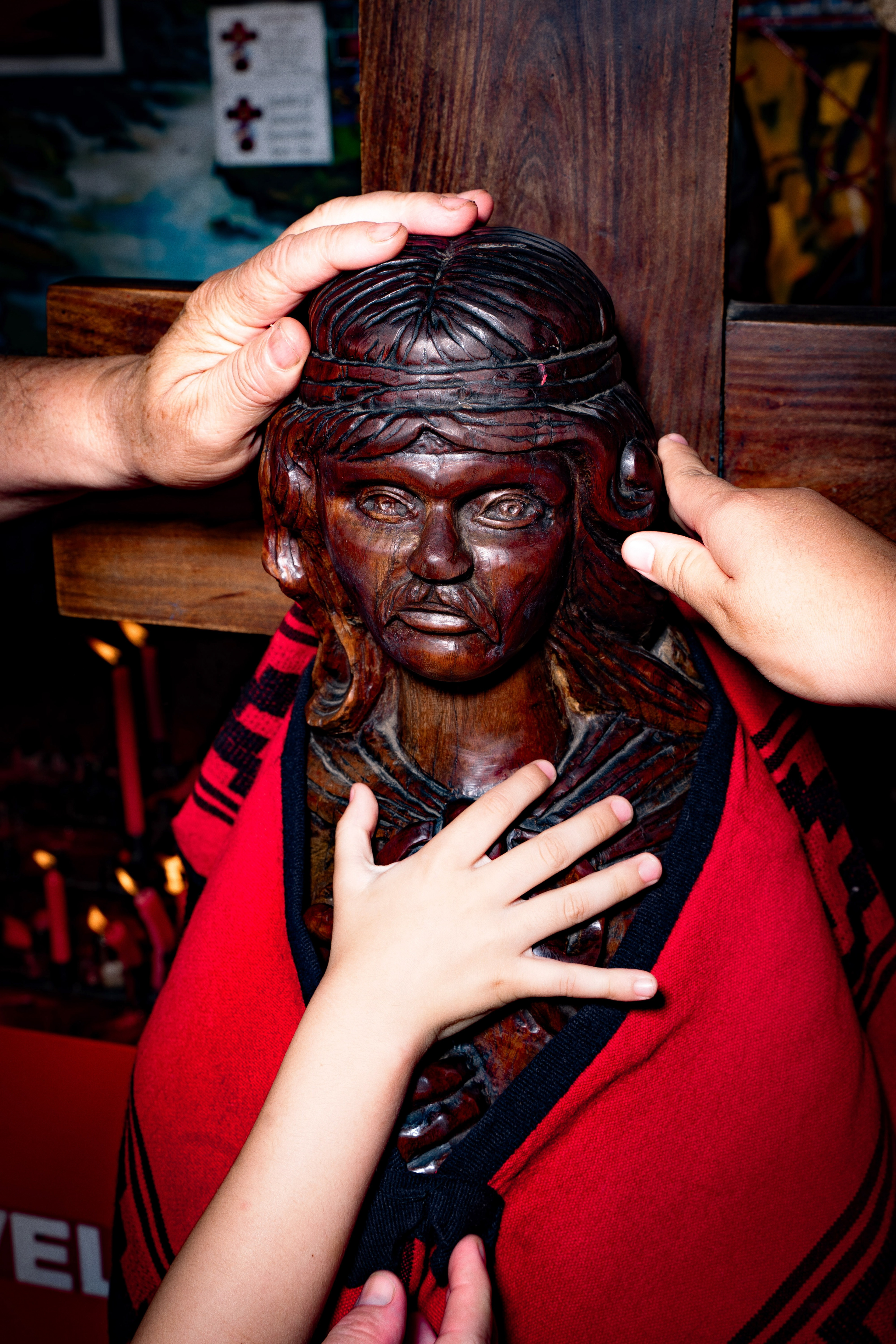
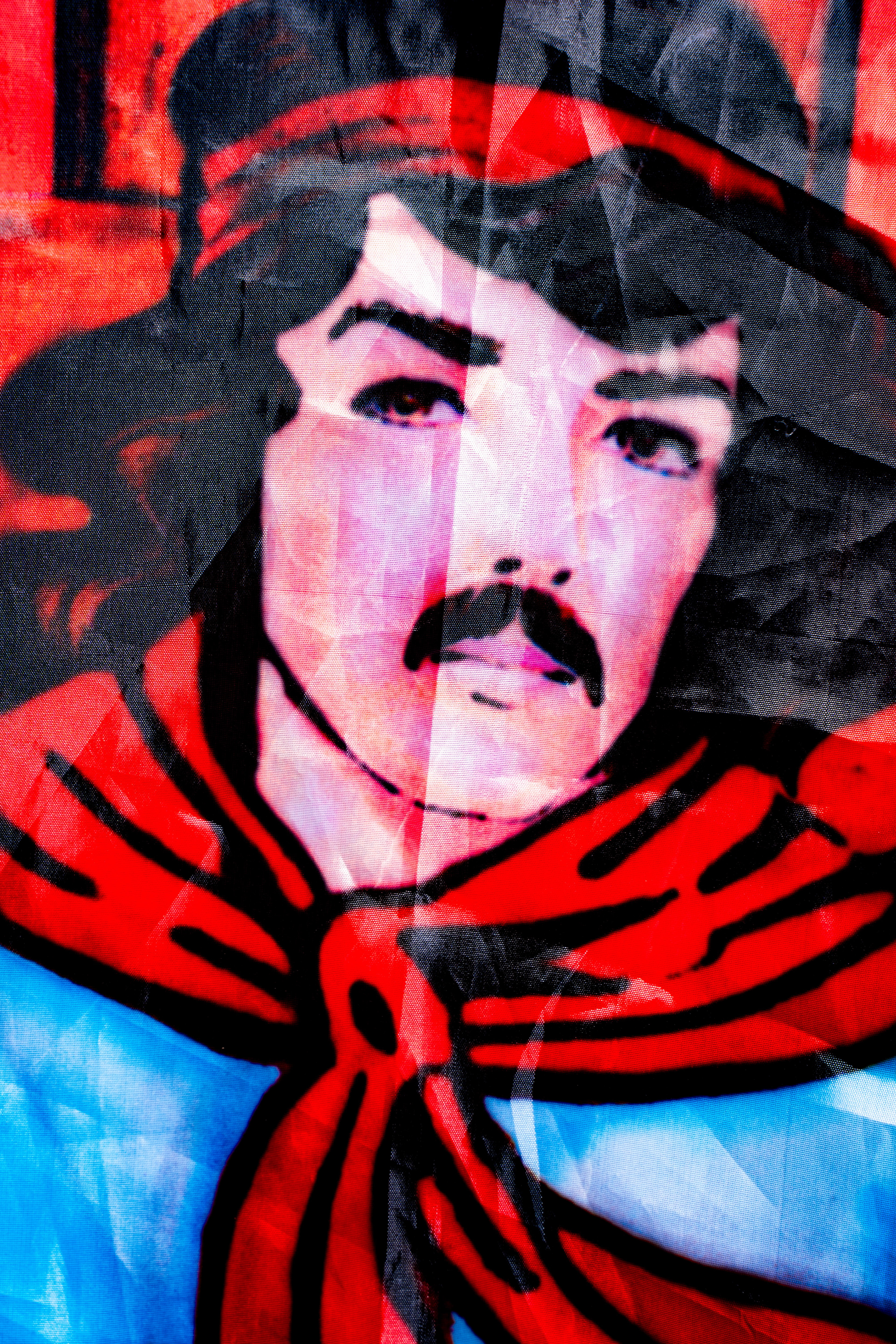
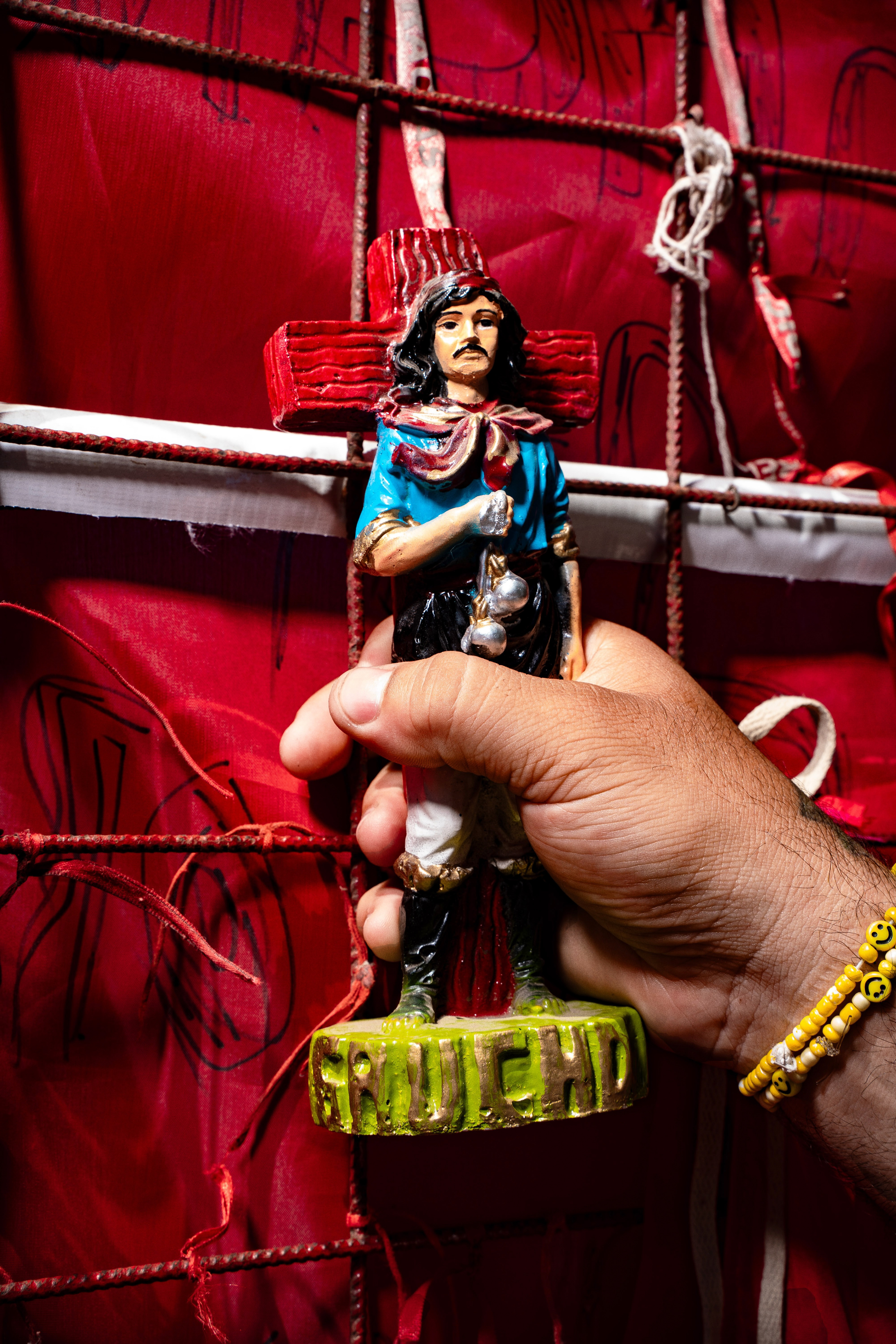
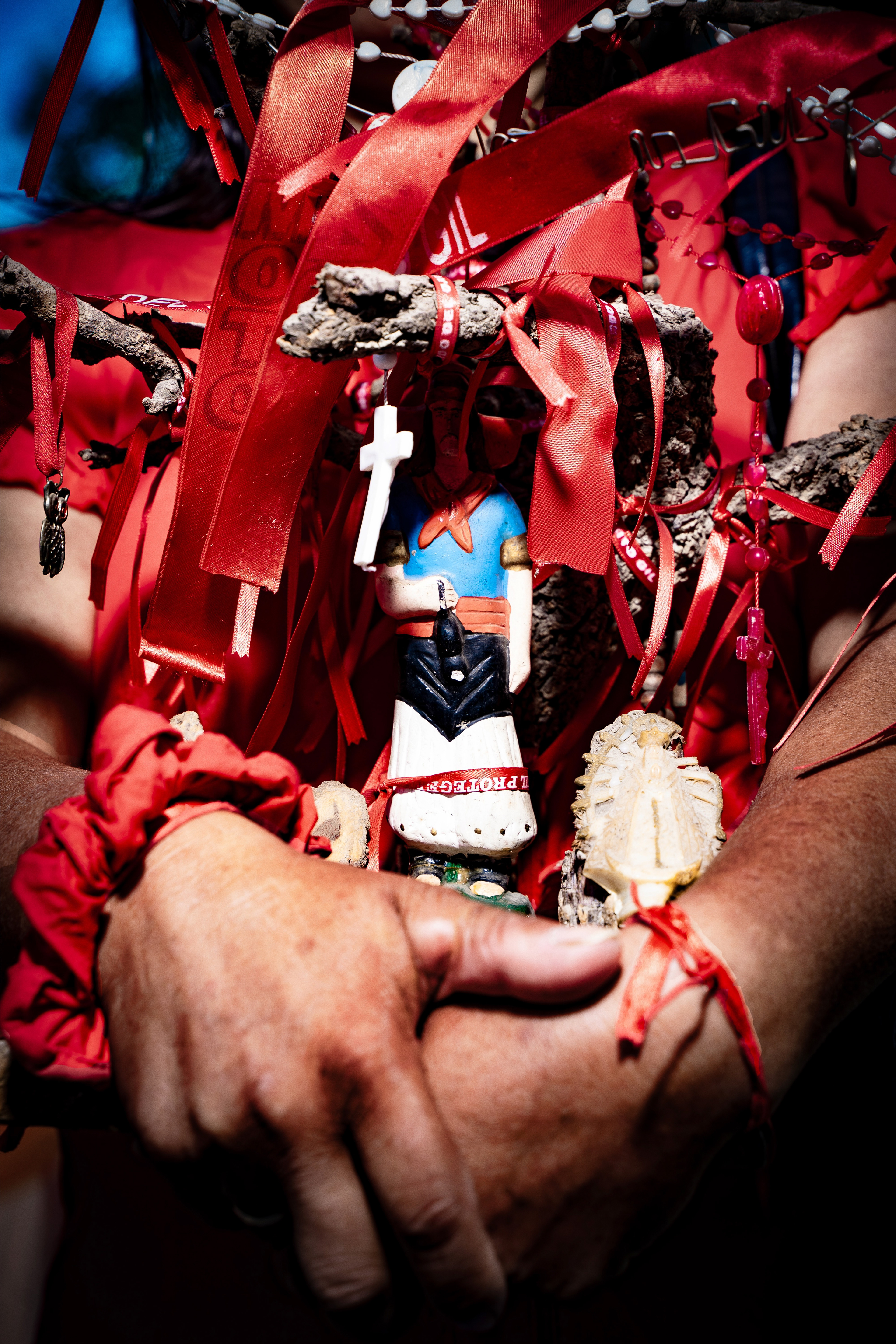
Este reportaje fotográfico documenta el fenómeno social y religioso en torno al Gauchito Gil en distintas provincias de Argentina, con especial énfasis en Corrientes, Entre Ríos y Buenos Aires. A través de imágenes de peregrinaciones, altares y devotos, se busca mostrar la magnitud de una fe popular que trasciende lo religioso y se instala como un rasgo cultural de gran fuerza simbólica.
La historia del Gauchito Gil se remonta a mediados del siglo XIX. Antonio Mamerto Gil Núñez nació en Mercedes (Corrientes) alrededor de 1847 y trabajó como peón rural hasta ser reclutado para la Guerra de la Triple Alianza. La leyenda cuenta que una revelación divina lo llevó a desertar, convirtiéndose en un justiciero que ayudaba a los pobres y desafiaba a las autoridades. Su ejecución lo convirtió en mártir, y con el tiempo, en una figura de veneración popular.
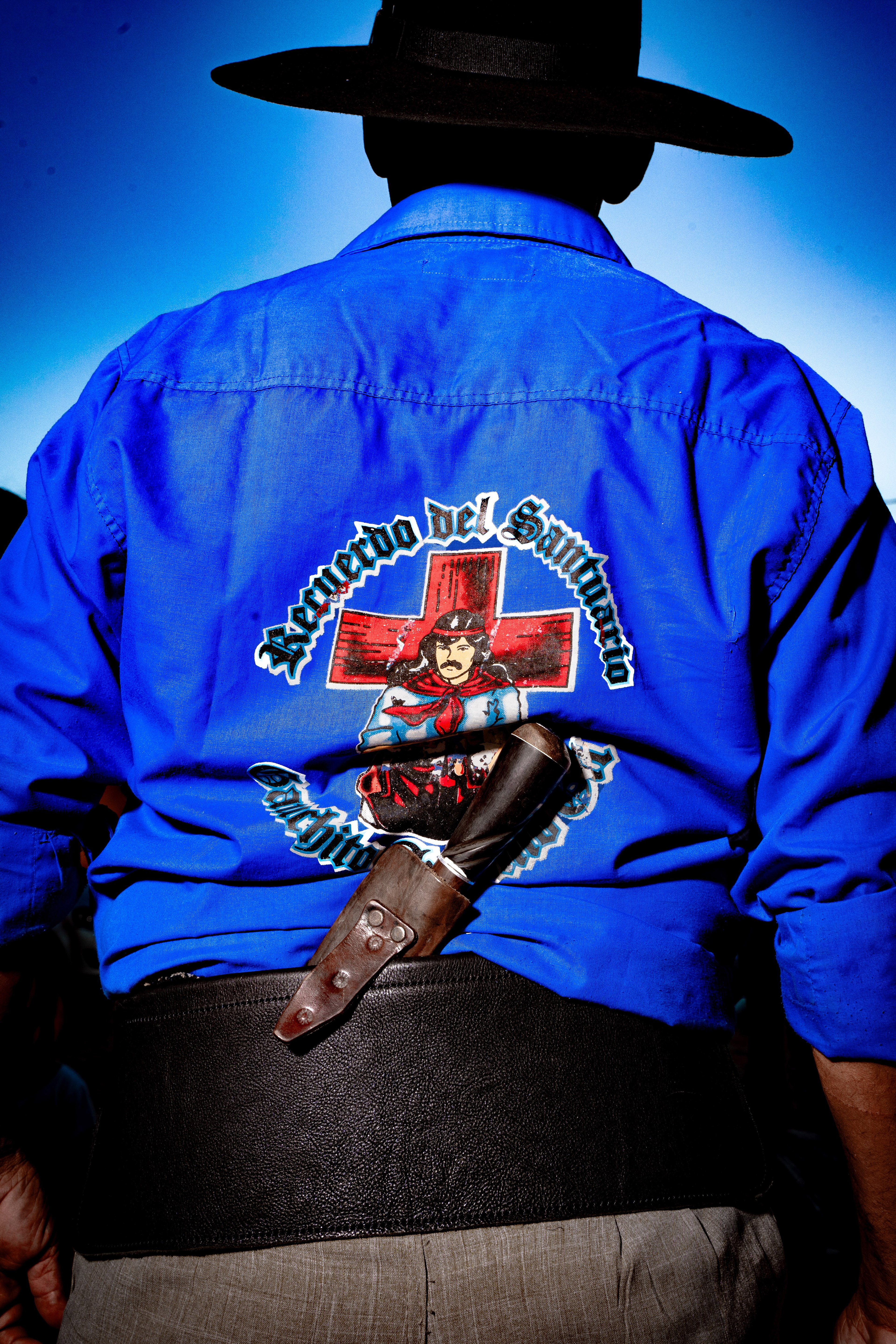
Desde la década de 1990, la devoción al Gauchito Gil creció de manera exponencial en todo el país y se extendió a países vecinos como Paraguay, Bolivia y Brasil. Cada 8 de enero, la ciudad de Mercedes recibe a más de 400,000 peregrinos que llegan para rendirle homenaje en su santuario principal. Allí, entre banderas rojas, ofrendas y música popular, se manifiesta una fe colectiva que combina religión, tradición y cultura popular.
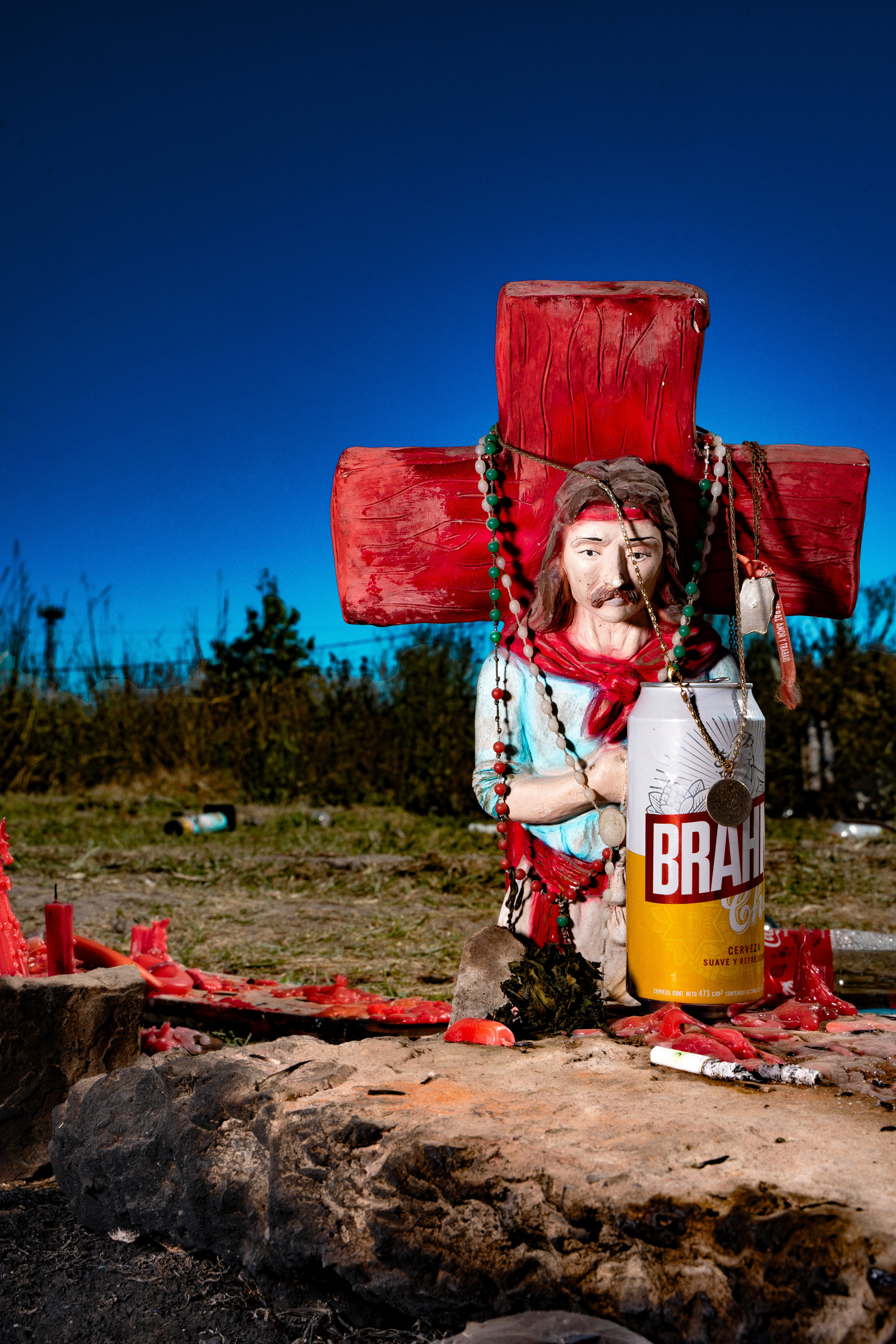
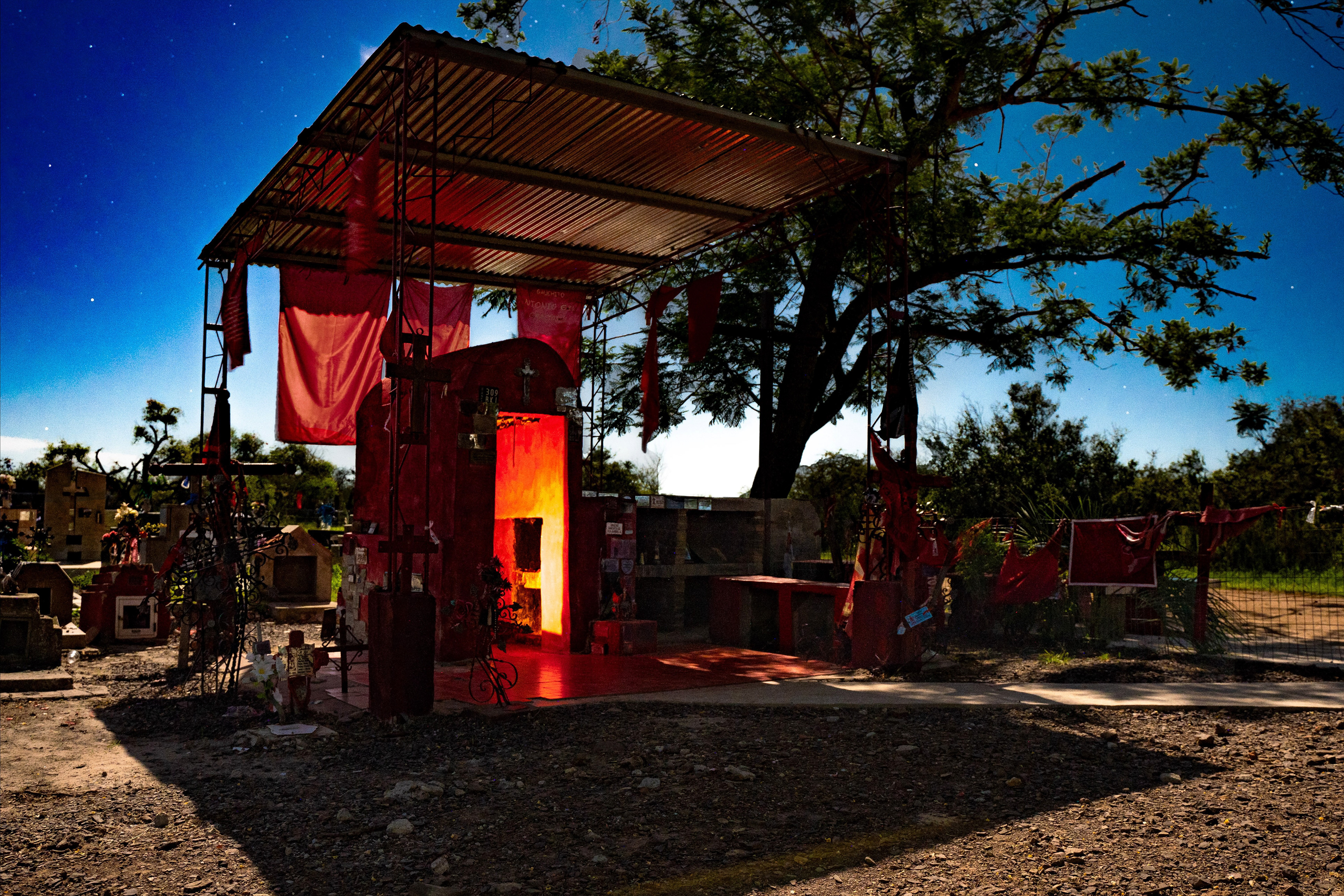
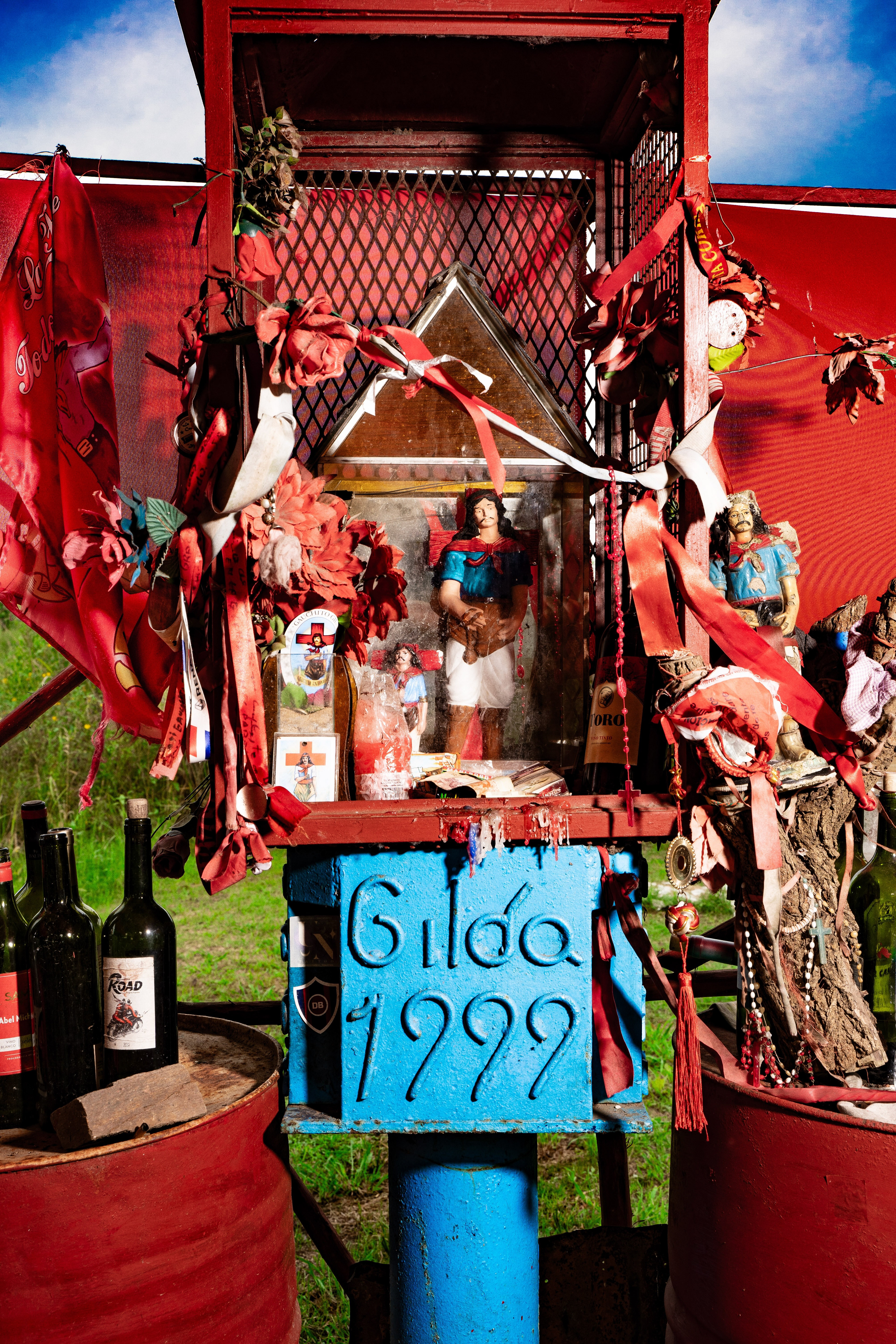
Este reportaje fotográfico busca capturar esa energía colectiva: los altares improvisados a la vera de los caminos, las banderas rojas flameando en las rutas y las miradas de los devotos que encuentran en el Gauchito Gil un símbolo de fraternidad, rebeldía frente a la injusticia y esperanza para los más humildes.
This photo report documents the social and religious phenomenon surrounding Gauchito Gil in different provinces of Argentina, with special emphasis on Corrientes, Entre Ríos, and Buenos Aires. Through images of pilgrimages, altars, and devotees, it seeks to show the magnitude of a popular faith that transcends the religious and establishes itself as a cultural trait of great symbolic strength.
The story of Gauchito Gil dates back to the mid-19th century. Antonio Mamerto Gil Núñez was born in Mercedes (Corrientes) around 1847 and worked as a rural laborer until he was recruited for the War of the Triple Alliance. Legend has it that a divine revelation led him to desert, becoming a vigilante who helped the poor and challenged the authorities. His execution made him a martyr, and over time, a figure of popular veneration.
Since the 1990s, devotion to Gauchito Gil has grown exponentially throughout the country and has spread to neighboring countries such as Paraguay, Bolivia, and Brazil. Every January 8, the city of Mercedes receives more than 400,000 pilgrims who come to pay homage at his main sanctuary. There, among red flags, offerings, and popular music, a collective faith is manifested that combines religion, tradition, and popular culture.
This photo report seeks to capture that collective energy: the makeshift altars by the roadside, the red flags waving on the routes, and the gazes of the devotees who find in Gauchito Gil a symbol of fraternity, rebellion against injustice, and hope for the humblest.